
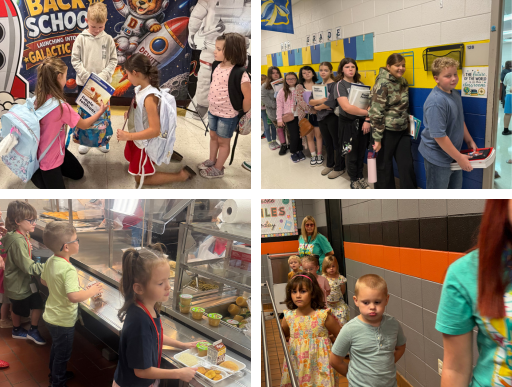
Learning at school isn’t limited to the classroom; students are actively practicing positive behaviors wherever they go.
The first weeks back in school focus on establishing clear routines and positive behavior expectations that extend far beyond the classroom walls.
From navigating the lunch line, staying safe on the bus ride, and keeping the hallways orderly between classes, students are learning what expectations exist and why they matter.
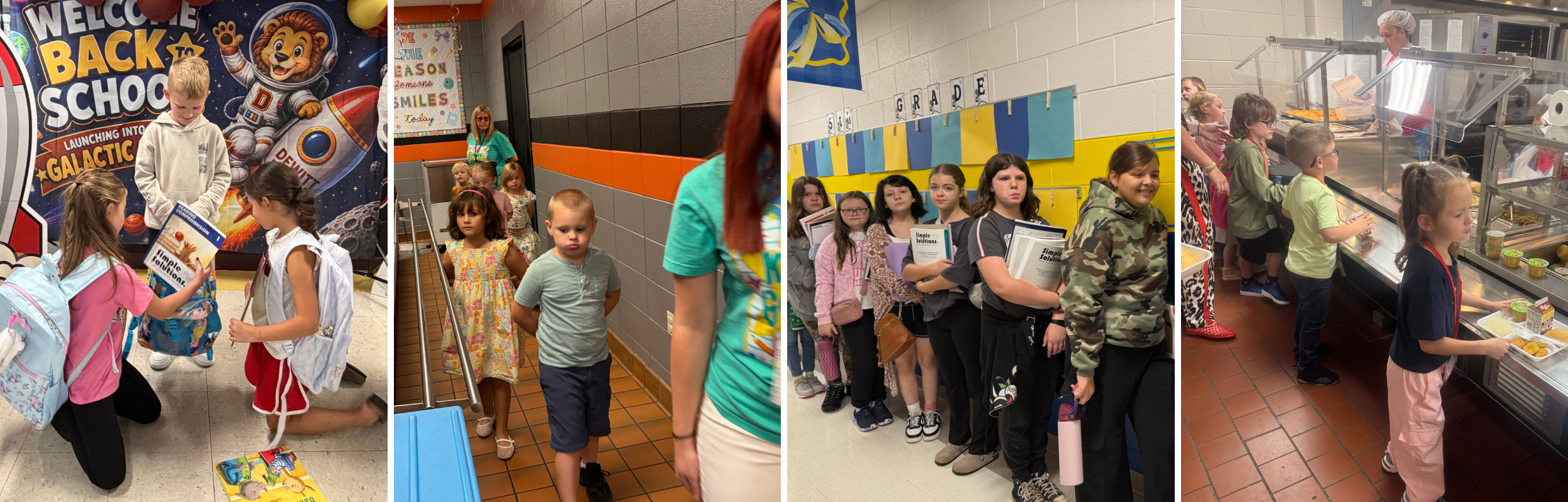
This is called Positive Behavioral Interventions and Supports (PBIS) and is designed to teach behavioral expectations with the same care, structure, and instruction given to academic subjects.
“Teaching PBIS expectations at the beginning of the school year is important because it sets students up for success before behavioral problems occur,” said Marti Partin, PBIS Coordinator for the district. “It also creates clear expectations which allow students to know exactly what behaviors are expected in classrooms, hallways, cafeterias, buses, and other school settings.”
While PBIS is implemented across the district, each school establishes its own specific PBIS expectations to reflect its unique needs and tie them to their mascot, mission, and vision. Based on the level of implementation, education partners such as Southeast South Central Education Cooperative recognize schools for their success with PBIS each year.
“PBIS prevents problem behaviors,” explained Partin. “Rather than assuming students already know how to behave, PBIS treats appropriate behavior as a skill that needs to be taught and practiced.”
Whether learning quiet transition habits or practicing dismissal routines, students receive hands-on practice to develop positive habits from day one.
“PBIS establishes a positive school climate. Starting with positive expectations helps create an environment where students feel safe, supported, and valued,” said Partin.
By prioritizing behavior instruction from the first day to the last, the district ensures every school fosters a welcoming, encouraging environment where all students are equipped to succeed.
A copy of each school’s positive behavior expectations can be found in the appendix of the student handbook.